Best Traditional Emirati Foods – Top 7 Dishes to Taste in UAE
Discover the must-try best traditional Emirati foods in the UAE. Explore 7 iconic dishes packed with authentic flavors and cultural heritage. A must-read for food lovers!
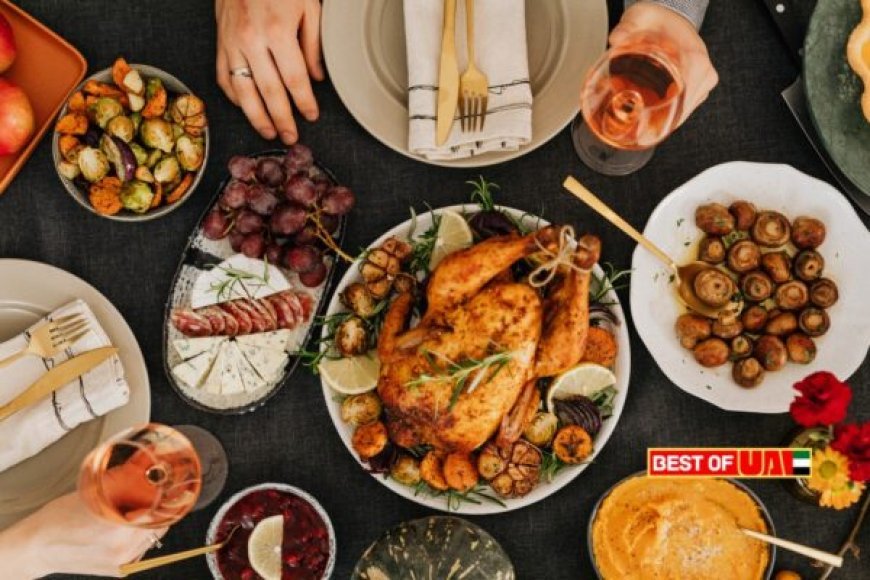
When visiting the United Arab Emirates, most people think of towering skyscrapers and luxury shopping malls. But tucked behind all the modern glamour is a rich and flavorful culinary tradition that tells the story of the region’s Bedouin roots, spice trade influences, and desert lifestyle.
If you want to experience the true essence of the UAE, you can’t miss these must-try best traditional Emirati foods. Whether you're a foodie, a tourist, or a resident looking to connect with local culture, this list of dishes is your gateway to authentic Emirati taste.
Why Traditional Emirati Food Is Worth Exploring
Emirati cuisine reflects centuries of resilience and creativity. Rooted in the desert, sea, and spice routes, it offers:
-
Rich flavors with warm spices like cardamom, saffron, turmeric, and cinnamon
-
Comforting dishes cooked slowly for depth and texture
-
Cultural stories behind every dish, often shared during family gatherings and festivals
-
Unique ingredients like dates, dried lemon (loomi), and camel meat
Let’s dig into the top dishes that represent the UAE’s proud culinary identity.
1. Al Harees – The Ramadan Favorite
A true symbol of Emirati generosity and patience, Al Harees is a slow-cooked dish made of wheat, meat (usually lamb or chicken), and a pinch of salt. It’s cooked in a clay pot for several hours, often overnight.
Why Try It?
-
Velvety, smooth texture
-
Extremely filling and wholesome
-
Traditionally served during Ramadan and Eid gatherings
Where to Taste: Local Emirati restaurants like Al Fanar Restaurant & Café in Dubai or Abu Dhabi
2. Machboos (or Majboos) – The National Dish
Comparable to biryani but uniquely Emirati, Machboos is a spiced rice dish made with chicken, lamb, or seafood. The flavors come from a mix of loomi (dried lime), cardamom, cinnamon, and cloves.
Why It’s a Must-Try:
-
Balanced blend of spices and protein
-
Comfort food with deep cultural roots
-
Often the centerpiece of family meals
Where to Taste: Al Khayma Heritage Restaurant in Al Fahidi Historical Neighborhood
3. Balaleet – Sweet & Savory Breakfast Delight
Ever tried sweet vermicelli with eggs? Balaleet is a unique mix of sweetened saffron noodles topped with a savory egg omelette. It’s typically served for breakfast or on special occasions.
Why It’s Special:
-
Perfect for those who enjoy sweet-savory combinations
-
Aromatic with saffron and rose water
-
Simple yet deeply traditional
Perfect Pairing: Enjoy it with hot Karak Chai
4. Luqaimat – The UAE’s Favorite Dessert
No Emirati meal is complete without Luqaimat — golden, crispy dumplings that are crunchy on the outside and soft on the inside, drizzled with date syrup (dibs) or honey.
Why You’ll Love It:
-
Bite-sized and addictive
-
Perfect for tea-time or as a festive treat
-
Commonly served at events and traditional markets
Where to Try: Global Village Dubai or local street markets during winter
5. Madrooba – Thick & Comforting Goodness
Madrooba is a thick porridge-like dish made with salted fish (or chicken), flour, and a variety of spices. It’s slow-cooked until creamy and smooth, making it a favorite during Ramadan.
Why It’s Worth Trying:
-
Deeply satisfying and rich in flavor
-
One of the oldest known Emirati recipes
-
Great for those who love hearty meals
Tip: Eat it the traditional way—with your hands!
6. Khameer – The Emirati Bread with a Twist
Khameer is a fluffy, slightly sweet bread infused with saffron and cardamom, sometimes filled with dates or cheese. It’s usually served with honey, cheese, or jam.
Why It’s a Crowd Favorite:
-
Soft, pillowy texture
-
Great with coffee or tea
-
Often freshly baked at homes or cafes
Where to Try: Logma Dubai, a modern Khaleeji-style eatery
7. Camel Meat Dishes – For the Adventurous Foodie
Camel meat has been part of the Emirati diet for centuries. It’s leaner than beef and rich in flavor. Today, it’s served in modern takes like camel burgers or traditional stews.
Why It's a Unique Experience:
-
Deep cultural significance in Emirati heritage
-
Usually cooked slowly for tenderness
-
Available at select traditional restaurants
Note: Camel meat is considered a delicacy and often served during weddings and festivals.
Benefits of Exploring Emirati Cuisine
-
Cultural Connection: Understand UAE traditions beyond the tourist view
-
Unique Flavors: Taste spices and ingredients you won’t find in other cuisines
-
Food Stories: Many dishes are tied to seasons, festivals, and history
-
Local Experiences: Enjoy food in authentic settings like souks, heritage villages, and majlis-style dining
Tips for Trying Traditional Emirati Food
-
Look for heritage restaurants in Al Seef, Al Fahidi, or cultural festivals
-
Ask for UAE national dishes when visiting Emirati-run eateries
-
Join a food tour that explores traditional cooking
-
Respect local customs — especially if invited to a family meal
Conclusion: A Taste of the Real UAE
Food is one of the most enjoyable ways to experience a culture, and the UAE’s culinary heritage is both rich and inviting. From the simplicity of Balaleet to the bold flavors of Machboos and the sweetness of Luqaimat, there’s something for everyone to enjoy.
Next time you’re in the Emirates, make sure you go beyond global chains and malls. Step into an Emirati kitchen—or better yet, a desert camp—and let your taste buds travel through time.
Want more UAE food guides and travel inspiration? Explore our latest posts at BestOfUAE.com.
Read More:
What's Your Reaction?
 Like
0
Like
0
 Dislike
0
Dislike
0
 Love
0
Love
0
 Funny
0
Funny
0
 Angry
0
Angry
0
 Sad
0
Sad
0
 Wow
0
Wow
0